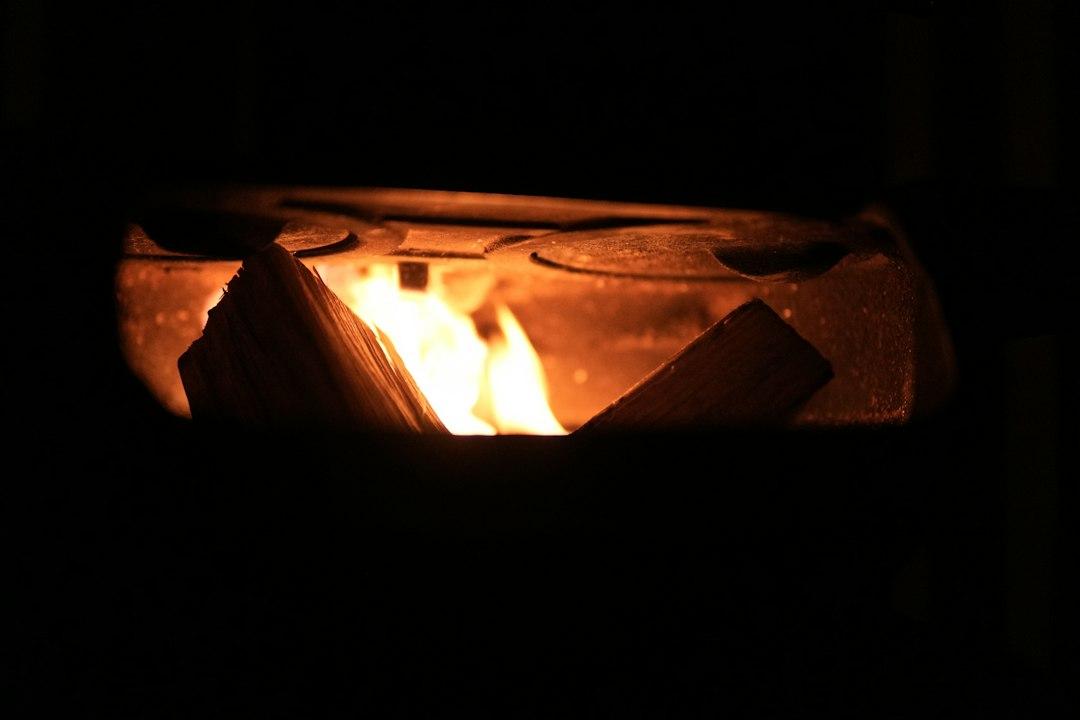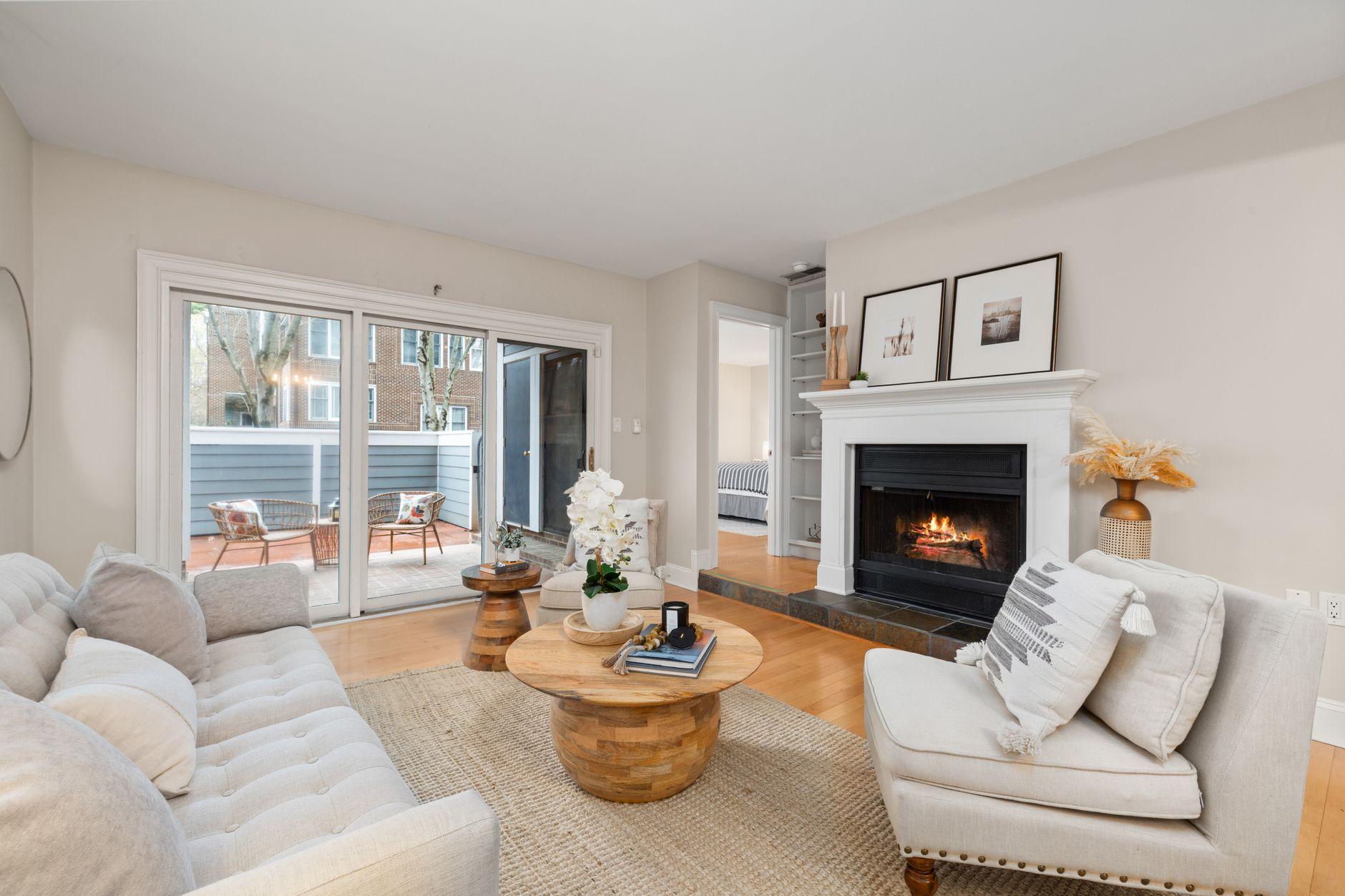
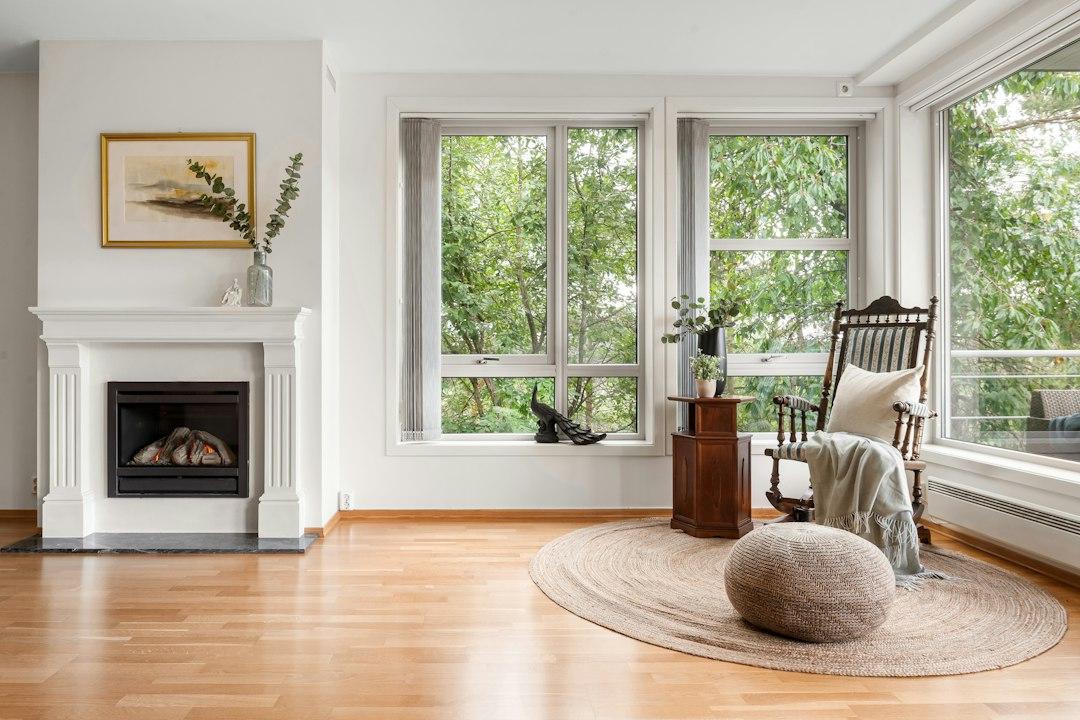
A worn factory-built fireplace leaves an owner with three real choices. Fix it with the maker's parts. Put a listed gas insert inside it, where the unit allows that. Or remove it and put in something new, which can mean a new fireplace or no fireplace at all. Each route has a different cost and a different life ahead of it. This post sets them side by side the way we explain them to owners in La Puente.
Start with what is actually worn
The choice depends on which part has failed, so the first visit is about sorting wear from damage.
- Panels. The refractory lining is a wear part. It cracks, chips and erodes with use, and the maker sells replacements for most models. Worn panels alone are rarely a reason to replace a unit.
- Damper, doors, grate, screen. Also wear parts, and also usually available.
- The steel firebox. This is the body of the unit. Rust holes in the floor, a back wall that has bowed out, or seams that have split are structural. They are the main reason a unit reaches the end.
- The pipe and cap. These can be replaced section by section with listed parts if the model is still supported.
A fireplace inspection answers which of those you are dealing with. If there has been a chimney fire or long-term water, the camera run in a Level 2 inspection at $415 tells us what the pipe looks like inside.
Route one: repair with listed parts
This is the right call when the steel is sound and the model is still supported. New panels, a damper kit, new doors and a fresh cap can make a tired unit look and work almost new, for a fraction of any replacement.
The trade-off is age. A unit that is decades old will keep asking for parts, and at some point the maker stops making them. Repair is good value when the steel has years left in it. It is poor value when you are putting new panels into a box that is rusting from the floor up.
There is no published price for panel sets and kits here, since they differ by model, but the written quote lists each part and its labour. See our post on what prefab fireplace repair costs for how those quotes are built.
Route two: a listed gas insert
Many owners in La Puente and Covina use their fireplace for an evening glow rather than heat, and they are tired of hauling wood and sweeping ash. A gas insert closes the opening with its own sealed box and vents through a liner run up the existing chimney.
On a factory-built fireplace, there is a condition: the insert must be listed for use in that kind of unit, and the fireplace must be in a state to receive it. Some prefab models were never meant to take an insert. When yours can, setting one into the opening you already have runs $2,950 to $5,900 here, with the position in that range set by the insert model, the liner length and the gas line work. Our fireplace inserts page has the details.
An insert does not save a firebox that is rusting through. It needs a sound box to sit in.
Route three: replace the unit
When the steel is done, the honest options are a new factory-built fireplace, a gas unit built for that opening, or retiring the fireplace and closing it off safely.
A replacement fireplace is a bigger job than it sounds. The old unit, its pipe and often part of the surround come out. The new one has to fit the framing and the chase, or the framing has to change. A new listed pipe and cap go up, and the wall is finished around the new face. We price these in writing after measuring, because the range between a near-match swap and a reframed opening is large.
If what you really want is a gas fireplace somewhere the house has never had one, say a bedroom or an outside wall, that is a different project: a sealed gas unit vented straight through the wall or roof. On this site it runs $4,750 to $9,500.
Retiring a unit means disconnecting gas if there is any, sealing the top of the chase and closing off the opening, so it no longer pulls cold air or invites water.
How the three compare
Rather than a table, here is how owners usually weigh them:
- Lowest cost today: repair, as long as the steel is sound.
- Lowest effort from then on: a listed gas insert, if the unit takes one.
- Longest life: a replacement, because every part starts at zero.
- Smallest footprint: retiring the fireplace, if you rarely use it.
The worst choice is paying for repairs on a box that will need replacing in a couple of years anyway, and the second worst is a replacement when a panel kit would have done.
What tips the decision
Four facts usually settle it, and the inspection gives you all four:
1. The condition of the steel floor, back and seams. 2. Whether the maker still supports the model with parts. 3. Whether the unit is listed to accept an insert. 4. How you actually use the fireplace through the winter.
Once you know where your unit stands on those, use the quote form to tell us which route you are leaning toward and what the plate says. We come back with a visit to confirm it and a written price for that route, and for the alternatives if you want them.
Quakes, water and age
In this part of Los Angeles County, a prefab unit has usually been through some shaking, plenty of winter rain on its chase top and a lot of summer heat in the attic. None of those, on their own, condemns a unit. Together, over enough years, they explain why two fireplaces of the same model can be in very different shape. The answer always comes from looking at yours.
Getting the answer for your fireplace
We inspect, repair and replace factory-built fireplaces in La Puente, West Covina, Covina and Diamond Bar. For help deciding which of the three routes fits your house, start on the contact page and tell us what the firebox looks like today.
Want a Look at Your Own Unit?
Hurley Chimney Works works from La Puente across West Covina, Covina, Diamond Bar and nearby cities. We read the label, check the parts against the listing and leave photos with a price for each repair.